




The EU is changing how low-value eCommerce parcels are treated from 1 July 2026. For Australian brands shipping to Europe, product classification is becoming a direct cost and compliance issue.
In our recent blogs on the Australia–EU trade relationship, we covered what the FTA could mean for Australian businesses expanding into Europe, and how European brands can use local fulfilment to enter Australia. At FulfillWorks, we believe every regulatory change brings a business opportunity for the brands that move early.
This post focuses on one of the most important details for EU-bound shipments right now which are HS codes and why getting them right before 1 July 2026 matters more than ever.
What is an HS Code?
An HS code (Harmonised System code) is the numerical classification used to identify every product in international trade. Customs authorities use it to determine duty rates, apply border controls and check whether any restrictions apply to the goods being imported.
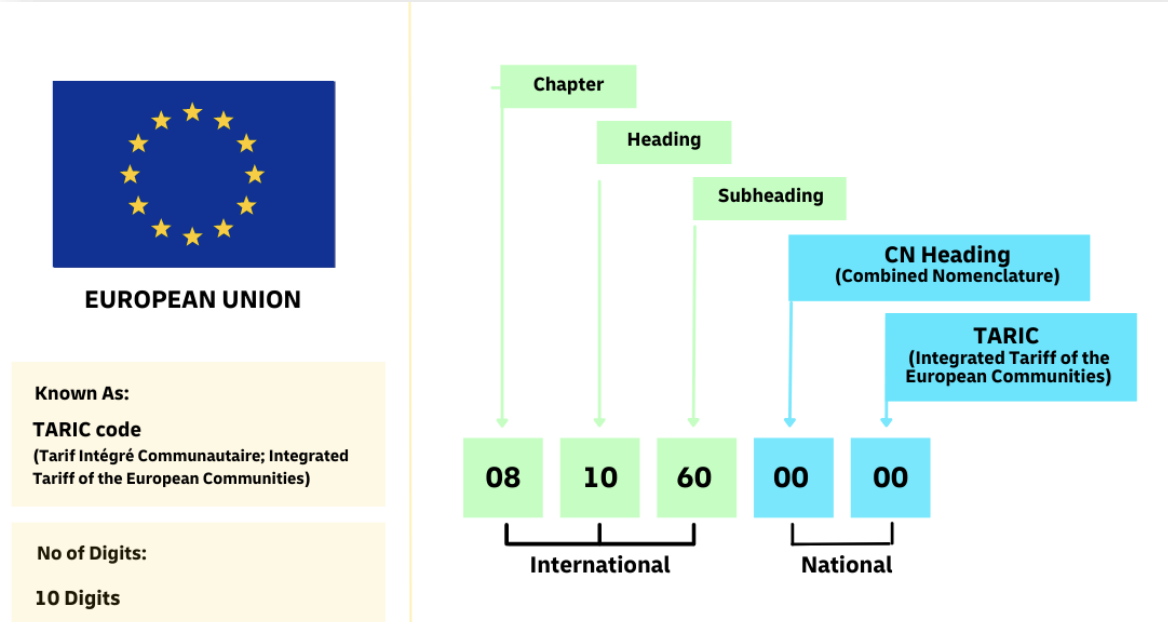
For EU shipments, classification works across three layers. The first 6 digits form the global HS code, standardized across more than 200 countries. Digits 7 and 8 extend this into the EU’s Combined Nomenclature (CN), which is updated annually by the European Commission. Digits 9 and 10 make up the TARIC code, the EU’s full integrated tariff that covers all applicable duties, trade measures and restrictions, and is required for customs declarations.
Getting any layer wrong can lead to incorrect duty charges, clearance delays, compliance issues or shipments rejected at the border.
What the EU Customs Reform Means for Low-Value Parcels
From 1 July 2026, the €150 duty-free threshold is removed. A temporary €3 customs duty applies per item type to low-value goods shipped into the EU by IOSS-registered non- EU sellers: that’s around 93% of all eCommerce flows.
Depending on how products are classified, the charge can apply per item category or tariff classification. An order containing three different product types with a skincare item, a supplement and an accessory, may attract three separate duty charges if those items sit under different tariff headings. Your HS code determines how many charges apply.
That is why accurate HS codes have become a direct cost issue, not just a compliance formality. Incorrect classification can lead to undercharging or overcharging customers at checkout, customs delays and possible shipment holds.
Beyond duty costs, HS codes are directly linked to the EU’s Prohibited and Restricted goods (P&R) rules. A product that is legal in Australia could trigger a restriction at the EU border if it is filed under the wrong tariff heading.
Why Product Data Now Matters More?
HS codes are only one part of the customs picture. EU-bound eCommerce shipments need clear, consistent product data across the board. Australian businesses should review and confirm the following for every EU-bound product:
| Product Data Area | Why It Matters |
|---|---|
| HS / tariff classification | Determines duty treatment and border restrictions |
| Product description | Supports customs review and avoids vague or rejected declarations |
| Country of origin | May affect duty rates and trade agreement eligibility |
| Declared value | Used for customs, tax and landed cost calculations |
The goal is straightforward: make sure your product catalogue, eCommerce platform, warehouse records and shipping declarations all tell the same story. Inconsistencies are exactly what automated customs systems are designed to catch.
NOTE
Trade agreement benefits do not apply automatically.
To access preferential treatment under the FTA, businesses need correct product classification, accurate origin documentation and consistent customs data. The FTA may reduce tariff barriers in the future but only if your product information is accurate enough to support the claim. Businesses that get this right now will be ready to access FTA benefits from day one.
What Australian Brands Should do Before 1 July 2026?
You do not need to overhaul everything at once. But there are clear steps to take before the reform goes live:
- Audit HS codes for all EU-bound products and confirm when they were last verified.
- Confirm EU tariff classifications using official sources such as the European Commission’s TARIC database at taxation-customs.ec.europa.eu.
- Review product descriptions to make sure they are specific, accurate and customs ready.
- Check country-of-origin and declared value data across your catalogue.
- Map bundles and multi-item orders to understand the potential duty impact per order type.
- Speak with a customs broker or trade adviser about IOSS, VAT obligations and duty handling for your specific products.
- Align your systems so that product data flows consistently from your store through to your shipping declarations.